Adrian Tempany
And the Sun Shines Now: How Hillsborough and the Premier League Changed Britain
The subtitle says it all really. A well researched and constructed book that starts by describing the horror that was Hillsborough and the way that the police, football authorities, media and politicians colluded to blame Liverpool fans for the disaster instead of the lack of investment in safety at grounds and poor policing handing to the media and politicians a stick to beat football fans and to hand football over to big business thereby alienating fans. Most of us are still coming to terms with this and whilst you can never change your team more fans are staying away from matches or following other smaller teams in leagues which aren't completely at the mercy of dodgy billionaire owners buying trophies. Even little Leicester are owned by a Thai billionaire. Hardly Roy of the Rovers stuff. Context is given in that the Conservative government funding by big business was at war with workers and the unions and also other radical groups such as CND and the travellers community (both traditional and new age hippy punks). War on football fans was just another front for the authorities. And whilst Thatcher is name checked let's not kid ourselves that it was just her. The Tory party head is put there by faceless, or at least shy, lobbyists and business interests. And it wasn't just the Tories who attacked workers, fans and radicals Labour are hardly blameless in keeping their paymasters sweet at the expense of those not directly keeping them in their power bases.
The book charts the commercialisation of football, first stop Sky and seating, as a proxy for the commercialisation and privatisation of much of what was publically owned. Yes, football clubs were always privately owned but usually by local businessmen with a vested interest, often as genuine fans, in the club. Now they are assets to be played with in the same way that our energy, telecoms and infrastructure is. China running our nuclear power stations? They don't need to drop bombs on us they just press the "melt down" button. "Free market" philosophy gone mad. Just an excuse for the rich to get richer by doing dodgy deals with state owned players from abroad.
Tempany then compares our football with Germany where most clubs are still fan owned. And they have terracing. And drink beer. And don't have Hillsborough style disasters. He compares to Germany's treatment of small firms in general and both the author and the Germans he speaks to can't understand how English fans allowed our game to be so fucked up. The answer is in the book - money making trumps all.
The book concludes with the Hillsborough verdict being positive despite the police still trying to blame fans. But to be cynical who cares. I can understand that it's comforting to survivors (Adrian is one) and families of the bereaved and therefore well worth fighting for but as always in these miscarriages of justice those responsible are long gone from the scene having taken big fat pensions with them and very unlikely to be brought to justice themselves. It's like the phone hacking scandal. Guarantee the authorities will open it up again to prove that they are serious about justice once everyone involved is retired, dead or "too ill to give evidence". Whilst the book finishes fairly positively, at least about British justice being served, it ought not to. A compelling read though.
Tuesday, September 27, 2016
Monday, August 08, 2016
Emergence (Steven Johnson)
Steven Johnson
Emergence

A look at how society is developing and will do in the future, and could do to sort out the major societal issues we are facing. A running theme is the way that slime molds congregate and disperse in what seems like a random way but following a series of rules. Also we're introduced to how ants operate in a bottom up control way each knowing what they should be doing by following pheromones and other individualised indicators - and not taking instruction from the central queen. Linking to the way that our brains work this is an interesting read that goes into the way that the internet works and how that could be further developed to bring true localisation and bottom up government and decision making. Fascinating in the scientific parts and interesting in the connection to human behaviour but I'm not convinced that humans can act like ants. You don't see many of them hanging out playing guitar whilst the rest are working hard. But maybe that's a cheap comparison and I'm being cynical. I agree that what Johnson writes about society could be a future but I feel that the comparisons break down simply because we seem to be naturally hierarchical and those who are are running the show top down will defend their position against bottom up movements, however much they pay lip service to free enterprise and the bottom up market forces. To be fair this was written 15 years ago and I'm sure that an updated version would reference the challenges that bottom up movements have faced, and throw in a few more successes. Worth reading.
Emergence

A look at how society is developing and will do in the future, and could do to sort out the major societal issues we are facing. A running theme is the way that slime molds congregate and disperse in what seems like a random way but following a series of rules. Also we're introduced to how ants operate in a bottom up control way each knowing what they should be doing by following pheromones and other individualised indicators - and not taking instruction from the central queen. Linking to the way that our brains work this is an interesting read that goes into the way that the internet works and how that could be further developed to bring true localisation and bottom up government and decision making. Fascinating in the scientific parts and interesting in the connection to human behaviour but I'm not convinced that humans can act like ants. You don't see many of them hanging out playing guitar whilst the rest are working hard. But maybe that's a cheap comparison and I'm being cynical. I agree that what Johnson writes about society could be a future but I feel that the comparisons break down simply because we seem to be naturally hierarchical and those who are are running the show top down will defend their position against bottom up movements, however much they pay lip service to free enterprise and the bottom up market forces. To be fair this was written 15 years ago and I'm sure that an updated version would reference the challenges that bottom up movements have faced, and throw in a few more successes. Worth reading.
Sunday, July 17, 2016
Northanger Abbey (Jane Austen)
Jane Austen
Northanger Abbey
A study of social mores and associated personal relationships mainly set in the city where I was brought up. The observations are timeless, classless and nationless and therefore of interest to everyone despite the time and place setting of this novel. Starting as a commentary comparing our heroine with romantic trashy novels that she's read she lives as if she's part of one which once reaching the books title seems to take her and the book over. It's preceded by the hero, sister and heroine playfully debating, with a misunderstanding between real life and literature, the actions of people whilst looking over Bath from the vantage point of Beechen Cliff. As my secondary school was at Beechen Cliff and I walked down Jacobs Ladder to Bath every day for years I can just imagine their vista and the smell of wild garlic wafting up through the woods. I'm wondering that if after ridiculing that book genre that Austen falls into it through laziness. The ending in particular is hardly twist in the tail stuff. Maybe the book isn't so timeless and was a lot sharper back when written. A lot of the references to literature would have been better understood no doubt. A good read nevertheless.
Northanger Abbey
A study of social mores and associated personal relationships mainly set in the city where I was brought up. The observations are timeless, classless and nationless and therefore of interest to everyone despite the time and place setting of this novel. Starting as a commentary comparing our heroine with romantic trashy novels that she's read she lives as if she's part of one which once reaching the books title seems to take her and the book over. It's preceded by the hero, sister and heroine playfully debating, with a misunderstanding between real life and literature, the actions of people whilst looking over Bath from the vantage point of Beechen Cliff. As my secondary school was at Beechen Cliff and I walked down Jacobs Ladder to Bath every day for years I can just imagine their vista and the smell of wild garlic wafting up through the woods. I'm wondering that if after ridiculing that book genre that Austen falls into it through laziness. The ending in particular is hardly twist in the tail stuff. Maybe the book isn't so timeless and was a lot sharper back when written. A lot of the references to literature would have been better understood no doubt. A good read nevertheless.
Thursday, July 07, 2016
Go Set a Watchman (Harper Lee)
Harper Lee
Go Set a Watchman
After virtually a lifetime the long awaited sequel to To Kill A Mocking Bird. It starts as the last ended with the space of a few years and at first it seems that it will be more in the same vein showing up southern states unfair discrimination. But then it takes a strange twist and the further our heroine rails against what she's seen the more the author seems to justify the segregation position. It gives a completely unexpected reason for the Mocking Bird's hero's actions and you're left wondering if it was always that way. Then our heroine seems to fall into the same view or at least accept why it is. Whereas Mocking Bird left us with hope at a time when it was needed this leaves us with a sour taste and we wonder if things will ever change. This weeks (white) police killings of unarmed or at least incapacitated (black) men show that things haven't really changed much in some places. There again the books obsession with different races procreating seems well out of time reading in London in 2016. It's difficult to know whether Harper Lee is putting forward her opinion or pointing out that things haven't changed in some places. It sort of feels like the former given our natural liking for the characters. Very confusing and disturbing. And very readable.
Go Set a Watchman
After virtually a lifetime the long awaited sequel to To Kill A Mocking Bird. It starts as the last ended with the space of a few years and at first it seems that it will be more in the same vein showing up southern states unfair discrimination. But then it takes a strange twist and the further our heroine rails against what she's seen the more the author seems to justify the segregation position. It gives a completely unexpected reason for the Mocking Bird's hero's actions and you're left wondering if it was always that way. Then our heroine seems to fall into the same view or at least accept why it is. Whereas Mocking Bird left us with hope at a time when it was needed this leaves us with a sour taste and we wonder if things will ever change. This weeks (white) police killings of unarmed or at least incapacitated (black) men show that things haven't really changed much in some places. There again the books obsession with different races procreating seems well out of time reading in London in 2016. It's difficult to know whether Harper Lee is putting forward her opinion or pointing out that things haven't changed in some places. It sort of feels like the former given our natural liking for the characters. Very confusing and disturbing. And very readable.
Saturday, June 18, 2016
Psychotic Reactions & Carburetor Dung (Lester Bangs)
Lester Bangs
Psychotic Reactions & Carburetor Dung
A selection of writings by the late Lester Bangs starting back with late 60s garage bands and then 70s reaction to the pomposity of rock leading into punk. Erratically written in a sort of American beat writers free flowing cut & paste format often going into the realms of fantasy. He had a cynical side that allowed him to appraise bands and associated movements at the time and thereby forecast how they would be seen in the future way before it seems many others did. The other side of him was to enthusiastically love new stuff and to relate that back to older bands when they first hit the scene in exciting ways. Often praising bands and individuals for their earlier works whilst slagging of later current (as at time of writing) stuff. Interesting reading his views on racism and sexism in what was seen as a pretty progressive thinking NYC scene with LB himself admitting to past views and behaviour that were far from acceptable. An eclectic mix of writings the only piece that I really couldn't be bothered to read was an odd fantasy about a drunk couple meeting at a bar and I sort of guessed where it was going and didn't really want to read about it. The rest was great though. And pointed to a few new bands I'd not heard of (60s garage) and led me to re-listen to bands I thought I knew. Some British pieces a stand out is the time Lester spent with The Clash on tour in the UK. Interesting writings on Sex Pistols / PIL and also musings on Sham 69. I would have loved to have known his views on the whole Punx Not Dead / Oi / Crass commune clash / mash up but maybe that would've been too subtle for someone who wasn't brought up in the UK. And a very weird piece on Elvis after he died which I don't think was published at the time (early 80s), unsurprisingly.
Psychotic Reactions & Carburetor Dung
A selection of writings by the late Lester Bangs starting back with late 60s garage bands and then 70s reaction to the pomposity of rock leading into punk. Erratically written in a sort of American beat writers free flowing cut & paste format often going into the realms of fantasy. He had a cynical side that allowed him to appraise bands and associated movements at the time and thereby forecast how they would be seen in the future way before it seems many others did. The other side of him was to enthusiastically love new stuff and to relate that back to older bands when they first hit the scene in exciting ways. Often praising bands and individuals for their earlier works whilst slagging of later current (as at time of writing) stuff. Interesting reading his views on racism and sexism in what was seen as a pretty progressive thinking NYC scene with LB himself admitting to past views and behaviour that were far from acceptable. An eclectic mix of writings the only piece that I really couldn't be bothered to read was an odd fantasy about a drunk couple meeting at a bar and I sort of guessed where it was going and didn't really want to read about it. The rest was great though. And pointed to a few new bands I'd not heard of (60s garage) and led me to re-listen to bands I thought I knew. Some British pieces a stand out is the time Lester spent with The Clash on tour in the UK. Interesting writings on Sex Pistols / PIL and also musings on Sham 69. I would have loved to have known his views on the whole Punx Not Dead / Oi / Crass commune clash / mash up but maybe that would've been too subtle for someone who wasn't brought up in the UK. And a very weird piece on Elvis after he died which I don't think was published at the time (early 80s), unsurprisingly.
Tuesday, April 26, 2016
The Rise of the Robots (Martin Ford)
Martin Ford
The Rise of the Robots: Technology and the Threat of a Jobless Future

Not sci fi as such, or a critique of a Stranglers tune, but a studied analysis of how robots will be taking over all jobs in the not too distant future and indeed may take over completely if artificial intelligence and / or nanotech goes out of control. Robots aren't just your Woody Allen Sleeper types but include advances in the computer brains running a lot of our world such as air flights, stock markets and winning chess games and Jeopardy. Whilst a very readable book it did go into more detail than strictly necessary to put over the point for my liking. There again the amount of detail tells a compelling story for sceptics. The examples are very US and UK biased but I think it was originally written with US examples and then added many from the UK. The bottom line is that technology is advancing and unless we (i.e. everyone globally) does something to slow it down it will replace nearly all jobs. And the human race won't "do something" globally. After all the Luddites and Levellers are ridiculed rather than applauded. I'm not sure I agree with all his statements. Saying that no one can say there's anything wrong with electricity is ignoring the production and how it's affected those near nuclear plants that have leaked and coal fired plants that have brought massive pollution often thousands of miles from where they are sited (do we ever hear of acid rain these days?) Ford dips in and out of economics and politics in his analysis. As robots take over then those who own and run them (i.e. corporates) will reap the rewards and most of us will find ourselves without work. Ford implies that there should be ways to redistribute income and / or wealth as this occurs. He talks a lot of off shoring as a sign of things to come (off shore, then automate) and although this is a topic all of itself this is about wealth redistribution, or at least job and income redistribution even if absolute income is less, and whilst his point that if a job can be off shored the next step is likely to be automation the economic and political analysis is very different between the two.
Having given many examples of where capital wealth is making the rich richer and the rest of society poorer, and many examples of why robots will take over more and more jobs with the rewards going to the owners of them (i.e. the owners of capital), Ford paints a fairly depressing picture for the future. And that's ignoring the possibility that robots will take over everything themselves in a sci fi scenario. The book ends with an analysis of the economics of the future. His remedy is to have some sort of minimum income for everyone that the wealthy will presumably be happy to fund as they can only spend so much on consumer goods (how many smart phones can one person have). This ignores the reality that as society gets more wealthy and produces more (for the time let's ignore whether that has been a slippery slope into the environmental problems we are facing) the equality within society has decreased and is doing so ever faster. We have more wealth and consumption now than ever yet across the globe the mantra is the free market and for those who own capital to keep everything they earn (again, let's ignore whether they "earn" it - they end up getting it) and there is little indication that they are prepared to close the inequality gap. Indeed there is more and more pressure to increase this. Following the financial crisis in 2008 governments have poured billions into propping up the financial sector (taxpayers money) whilst at the same time slashing benefits and government spending which invariable assists those less well off. Bankers get even more money now than they did whilst those at the lower end of the wealth pyramid are pushed further into the mire. Taxpayers have to subsidise businesses more and more so that they can give us zero hour contract jobs. Not much sign of those in power wanting to close the inequality gap Ford. The economic arguments are all within the context of liberal free market capitalism with a certain amount of state aid. Whilst this would help alleviate poverty in the short term (a big "if" as to whether this would even happen) it's not going to address the problem. There is also an assumption that we have to have economic growth. There is no analysis of other economic systems. Let's say, moving the means of production out of the hands of a few (indeed fewer and fewer) corporates and into the hands of the proletariat. I guess that sounds too radical if it's put in terms of those who own capital (capitalists) and those who own their labour (workers)? And that's one of the conclusions of the book. That those who are currently thought of as middle class professionals (not currently thought of as "workers" as they earn a lot of money, but in fact don't own working capital and make their income through selling their labour) will be hit hard by automation and their wages will fall rapidly if they are lucky to be working. Maybe a dip into Marxist theory will tell us the likely outcome of capital vs labour. And the societal outcome once crisis point is reached. There is also no analysis of alternatives to growth. Let's say, growing what we need to eat sustainably and restricting consumption to what we really need rather than being lured into over consumption to feed the greed of capital(ists). To be honest Ford is tracking the inevitable conclusion of free market capitalism regardless of whether robots are taking over or not. They may well accelerate us to a crisis point which a lot of economic political theory suggests we'd get to eventually even without technology advances. An unsatisfactory conclusion and feels rushed especially given the detail and varied analysis of the rest of the book.
All this assumes that one scenario doesn't occur. This is that nano robots don't deconstruct everything into it's component molecules and atoms and reduce the whole world to a "grey goo". I guess that would bring some sort of equality although in that case we may feel that relative inequality is better than absolute equality.
The Rise of the Robots: Technology and the Threat of a Jobless Future
Not sci fi as such, or a critique of a Stranglers tune, but a studied analysis of how robots will be taking over all jobs in the not too distant future and indeed may take over completely if artificial intelligence and / or nanotech goes out of control. Robots aren't just your Woody Allen Sleeper types but include advances in the computer brains running a lot of our world such as air flights, stock markets and winning chess games and Jeopardy. Whilst a very readable book it did go into more detail than strictly necessary to put over the point for my liking. There again the amount of detail tells a compelling story for sceptics. The examples are very US and UK biased but I think it was originally written with US examples and then added many from the UK. The bottom line is that technology is advancing and unless we (i.e. everyone globally) does something to slow it down it will replace nearly all jobs. And the human race won't "do something" globally. After all the Luddites and Levellers are ridiculed rather than applauded. I'm not sure I agree with all his statements. Saying that no one can say there's anything wrong with electricity is ignoring the production and how it's affected those near nuclear plants that have leaked and coal fired plants that have brought massive pollution often thousands of miles from where they are sited (do we ever hear of acid rain these days?) Ford dips in and out of economics and politics in his analysis. As robots take over then those who own and run them (i.e. corporates) will reap the rewards and most of us will find ourselves without work. Ford implies that there should be ways to redistribute income and / or wealth as this occurs. He talks a lot of off shoring as a sign of things to come (off shore, then automate) and although this is a topic all of itself this is about wealth redistribution, or at least job and income redistribution even if absolute income is less, and whilst his point that if a job can be off shored the next step is likely to be automation the economic and political analysis is very different between the two.
Having given many examples of where capital wealth is making the rich richer and the rest of society poorer, and many examples of why robots will take over more and more jobs with the rewards going to the owners of them (i.e. the owners of capital), Ford paints a fairly depressing picture for the future. And that's ignoring the possibility that robots will take over everything themselves in a sci fi scenario. The book ends with an analysis of the economics of the future. His remedy is to have some sort of minimum income for everyone that the wealthy will presumably be happy to fund as they can only spend so much on consumer goods (how many smart phones can one person have). This ignores the reality that as society gets more wealthy and produces more (for the time let's ignore whether that has been a slippery slope into the environmental problems we are facing) the equality within society has decreased and is doing so ever faster. We have more wealth and consumption now than ever yet across the globe the mantra is the free market and for those who own capital to keep everything they earn (again, let's ignore whether they "earn" it - they end up getting it) and there is little indication that they are prepared to close the inequality gap. Indeed there is more and more pressure to increase this. Following the financial crisis in 2008 governments have poured billions into propping up the financial sector (taxpayers money) whilst at the same time slashing benefits and government spending which invariable assists those less well off. Bankers get even more money now than they did whilst those at the lower end of the wealth pyramid are pushed further into the mire. Taxpayers have to subsidise businesses more and more so that they can give us zero hour contract jobs. Not much sign of those in power wanting to close the inequality gap Ford. The economic arguments are all within the context of liberal free market capitalism with a certain amount of state aid. Whilst this would help alleviate poverty in the short term (a big "if" as to whether this would even happen) it's not going to address the problem. There is also an assumption that we have to have economic growth. There is no analysis of other economic systems. Let's say, moving the means of production out of the hands of a few (indeed fewer and fewer) corporates and into the hands of the proletariat. I guess that sounds too radical if it's put in terms of those who own capital (capitalists) and those who own their labour (workers)? And that's one of the conclusions of the book. That those who are currently thought of as middle class professionals (not currently thought of as "workers" as they earn a lot of money, but in fact don't own working capital and make their income through selling their labour) will be hit hard by automation and their wages will fall rapidly if they are lucky to be working. Maybe a dip into Marxist theory will tell us the likely outcome of capital vs labour. And the societal outcome once crisis point is reached. There is also no analysis of alternatives to growth. Let's say, growing what we need to eat sustainably and restricting consumption to what we really need rather than being lured into over consumption to feed the greed of capital(ists). To be honest Ford is tracking the inevitable conclusion of free market capitalism regardless of whether robots are taking over or not. They may well accelerate us to a crisis point which a lot of economic political theory suggests we'd get to eventually even without technology advances. An unsatisfactory conclusion and feels rushed especially given the detail and varied analysis of the rest of the book.
All this assumes that one scenario doesn't occur. This is that nano robots don't deconstruct everything into it's component molecules and atoms and reduce the whole world to a "grey goo". I guess that would bring some sort of equality although in that case we may feel that relative inequality is better than absolute equality.
Sunday, April 10, 2016
Teenage Kicks: My Life as an Undertone (Michael Bradley)
Michael Bradley
Teenage Kicks: My Life as an Undertone

God almighty why didn't I learn the bass when I was 14 instead of in my 50's. Ah well, you shouldn't live life with regrets just do what you wanna do at the time. I guess this is the essence of this book and the story of The Undertones. Act your age (i.e. immature when a teenager) and have fun. Whilst trying to find the cheapest food (free if available). Mickey has his own take on The Undertones adventure and I'm sure the others will have their own stories. This story is a simple one of friends getting into punk rock, forming a band in the musical wastelands (i.e. no other punk rock groups, this was year zero when no previous music mattered) of Derry (aka Londonderry but let's stay with Derry as our heroes support the Free Derry movement if you catch my drift) and making it big before imploding due to musical differences. OK, maybe not imploding but fizzling out due to boredom. I always thought of the band as on the poppier side of punk and I still think that they are the pop side of the punk coin as opposed to the hard rock side of the Ramones. But they are definitely the same coin and The Undertones' simple tunes have lasted the test of time. John Peel saw that straight away. I always wondered why he thought Teenage Kicks was the best song ever. Especially given his eclectic taste and at that time he was playing what we now think of as post punk. I now know why he thought that. Five Derry boys not immersed in the London or mainland trend scene creating classic punk rock direct from their influences of New York proto punk, British glam and Bowie with a bit of rock thrown in. And Irish traditional music channeled through Feargal. 7 inches of pure heaven that everyone loves. Yeah of course it was played at my wedding. Maybe the most played punk song ever: surely at weddings? And my kids know it not from me forcing punk rock credentials into their ears (this isn't my first choice of punk education) but from adverts and backing music to you tube videos. Other songs by The Undertones are available.
Back to the book. After learning about their start as a band their rise to stardom is charted with a leg up by my mate Gavin Martin who first wrote about them in a Bangor fanzine called Alternative Ulster and in the NME. They were soon on Top of the Pops and then touring the UK and creating albums. I won't go into the details as the book's not that long to read but it has a homely feel as they always return to Derry and live lives normally (OK, without working as such, which probably wasn't that uncommon in the late 70s early 80s anyway) rather than moving to London to live the life of rock stars. The Undertones seem more interested in getting their tea and toast in the morning and playing footie than getting laid by groupies and jacking up. Men of the people. Kids. Likeable. The end of the band seems to be due to boredom but as I say, there's probably another side (or 4) to that. I hope that Michael has enjoyed his life not as a rock star as much as he would have had he gone all out to conquer America. I'm sure he has and he knows he's made some truly classic records. I regret not playing a few gigs (there's still time, just about) but would I have enjoyed life in a celebrity bubble as a punk rock bassist? Living in LA surrounded by sex and drugs and rock and roll? Definitely not. I'd miss cycling in London which, as Mickey points out, I sometimes think is the best thing ever. It isn't of course.
Teenage Kicks: My Life as an Undertone
God almighty why didn't I learn the bass when I was 14 instead of in my 50's. Ah well, you shouldn't live life with regrets just do what you wanna do at the time. I guess this is the essence of this book and the story of The Undertones. Act your age (i.e. immature when a teenager) and have fun. Whilst trying to find the cheapest food (free if available). Mickey has his own take on The Undertones adventure and I'm sure the others will have their own stories. This story is a simple one of friends getting into punk rock, forming a band in the musical wastelands (i.e. no other punk rock groups, this was year zero when no previous music mattered) of Derry (aka Londonderry but let's stay with Derry as our heroes support the Free Derry movement if you catch my drift) and making it big before imploding due to musical differences. OK, maybe not imploding but fizzling out due to boredom. I always thought of the band as on the poppier side of punk and I still think that they are the pop side of the punk coin as opposed to the hard rock side of the Ramones. But they are definitely the same coin and The Undertones' simple tunes have lasted the test of time. John Peel saw that straight away. I always wondered why he thought Teenage Kicks was the best song ever. Especially given his eclectic taste and at that time he was playing what we now think of as post punk. I now know why he thought that. Five Derry boys not immersed in the London or mainland trend scene creating classic punk rock direct from their influences of New York proto punk, British glam and Bowie with a bit of rock thrown in. And Irish traditional music channeled through Feargal. 7 inches of pure heaven that everyone loves. Yeah of course it was played at my wedding. Maybe the most played punk song ever: surely at weddings? And my kids know it not from me forcing punk rock credentials into their ears (this isn't my first choice of punk education) but from adverts and backing music to you tube videos. Other songs by The Undertones are available.
Back to the book. After learning about their start as a band their rise to stardom is charted with a leg up by my mate Gavin Martin who first wrote about them in a Bangor fanzine called Alternative Ulster and in the NME. They were soon on Top of the Pops and then touring the UK and creating albums. I won't go into the details as the book's not that long to read but it has a homely feel as they always return to Derry and live lives normally (OK, without working as such, which probably wasn't that uncommon in the late 70s early 80s anyway) rather than moving to London to live the life of rock stars. The Undertones seem more interested in getting their tea and toast in the morning and playing footie than getting laid by groupies and jacking up. Men of the people. Kids. Likeable. The end of the band seems to be due to boredom but as I say, there's probably another side (or 4) to that. I hope that Michael has enjoyed his life not as a rock star as much as he would have had he gone all out to conquer America. I'm sure he has and he knows he's made some truly classic records. I regret not playing a few gigs (there's still time, just about) but would I have enjoyed life in a celebrity bubble as a punk rock bassist? Living in LA surrounded by sex and drugs and rock and roll? Definitely not. I'd miss cycling in London which, as Mickey points out, I sometimes think is the best thing ever. It isn't of course.
Tuesday, April 05, 2016
Sapiens: A Brief History of Humankind Book (Yuval Noah Harari)
Yuval Noah Harari
Sapiens: A Brief History of Humankind

A fascinating and very readable run through of, well, the entire history of homo sapiens with a bit about our cousins such as Neanderthals thrown in. The premise is that we are wired to be hunter gatherers living in small groups of up to 200 or so (as an aside this is the maximum team size that a lot of progressive companies are implementing even if they have 10,000's of employees). The book charts the progressive revolutions that have taken place over time that on a micro level seem to improve the lot of humankind but at a macro level have led to unsatisfied individuals (who knows whether hunter gatherers were satisfied or not) at best and abhorrently abusive societies at worst (slavery, slums, agro industrial treatment of animals). The conclusion to our advancements may well be the destruction of life as we know it through environmental or nuclear catastrophe. On the other hand we may evolve into a new half bionic life form that is truly satisfied. Or be taken over by our own cyborg inventions. Yes, the latter part of the book does go into sci fi a bit but the possible future scenarios given are all backed up by current scientific research and heavily caveated. But that's the end of the book. The most part is taking us through history starting with the cognitive revolution - possibly our first evolutionary mistake in having awareness of ourselves and how we can significantly effect our environment and actively migrate and populate seemingly inhospitable landscapes. Next comes the benefits and drawbacks of the agricultural revolution (settlements) through to the scientific and industrial revolutions enabling us to significantly change both our environment and ourselves through drastic medical processes. Harari doesn't write as if he knows it all but puts forward his arguments as possibilities with many and varied examples of why he holds his view of history. It's thoroughly thought provoking and, as I said, a fascinating read. I don't agree with everything that is written and to be honest if you read the entire book without disagreeing with any of the content then you're probably one of the future cyborg creatures programmed to not question life as we know it. He steadily dismantles or questions many human "faiths" whether they are religious, economical or political. If you don't disagree with some of that you're unlikely to have bothered to start reading this book in the first place. Despite what seems to be a broad dismissal of why humans do and think what we do Harari always putting forward reasons as to why we've gone down these paths and how they have helped (some) humans at that point in time. I find it very refreshing that he has identified our treatment of animals (who after all are our cousins who didn't (yet) go through the cognitive revolution) as comparable to other abusive regimes we've forced on other humans. Or I should say other sapiens as he constantly reminds us that we had about five other human cousin species (I think that's the right term?) and indeed many of us have a fair bit of the Neanderthal still in us particularly those whose ancestors migrated from Africa in our early pre-history. Great book which is very thought provoking. Highly recommended. With the caveat that I don't agree with all the analysis or conclusions. But there again, as I'm a homo sapien who is a very collective and community based animal, I strive to see all sides of analysis and am open to what others have to say even if I don't expect to agree with them. At the end of the day I know that I'm right. Again, a homo sapien trait of arrogance. Or confidence?
Sapiens: A Brief History of Humankind
A fascinating and very readable run through of, well, the entire history of homo sapiens with a bit about our cousins such as Neanderthals thrown in. The premise is that we are wired to be hunter gatherers living in small groups of up to 200 or so (as an aside this is the maximum team size that a lot of progressive companies are implementing even if they have 10,000's of employees). The book charts the progressive revolutions that have taken place over time that on a micro level seem to improve the lot of humankind but at a macro level have led to unsatisfied individuals (who knows whether hunter gatherers were satisfied or not) at best and abhorrently abusive societies at worst (slavery, slums, agro industrial treatment of animals). The conclusion to our advancements may well be the destruction of life as we know it through environmental or nuclear catastrophe. On the other hand we may evolve into a new half bionic life form that is truly satisfied. Or be taken over by our own cyborg inventions. Yes, the latter part of the book does go into sci fi a bit but the possible future scenarios given are all backed up by current scientific research and heavily caveated. But that's the end of the book. The most part is taking us through history starting with the cognitive revolution - possibly our first evolutionary mistake in having awareness of ourselves and how we can significantly effect our environment and actively migrate and populate seemingly inhospitable landscapes. Next comes the benefits and drawbacks of the agricultural revolution (settlements) through to the scientific and industrial revolutions enabling us to significantly change both our environment and ourselves through drastic medical processes. Harari doesn't write as if he knows it all but puts forward his arguments as possibilities with many and varied examples of why he holds his view of history. It's thoroughly thought provoking and, as I said, a fascinating read. I don't agree with everything that is written and to be honest if you read the entire book without disagreeing with any of the content then you're probably one of the future cyborg creatures programmed to not question life as we know it. He steadily dismantles or questions many human "faiths" whether they are religious, economical or political. If you don't disagree with some of that you're unlikely to have bothered to start reading this book in the first place. Despite what seems to be a broad dismissal of why humans do and think what we do Harari always putting forward reasons as to why we've gone down these paths and how they have helped (some) humans at that point in time. I find it very refreshing that he has identified our treatment of animals (who after all are our cousins who didn't (yet) go through the cognitive revolution) as comparable to other abusive regimes we've forced on other humans. Or I should say other sapiens as he constantly reminds us that we had about five other human cousin species (I think that's the right term?) and indeed many of us have a fair bit of the Neanderthal still in us particularly those whose ancestors migrated from Africa in our early pre-history. Great book which is very thought provoking. Highly recommended. With the caveat that I don't agree with all the analysis or conclusions. But there again, as I'm a homo sapien who is a very collective and community based animal, I strive to see all sides of analysis and am open to what others have to say even if I don't expect to agree with them. At the end of the day I know that I'm right. Again, a homo sapien trait of arrogance. Or confidence?
Tuesday, March 29, 2016
The Old Man and the Sea (Ernest Hemingway)
Ernest Hemingway
The Old Man and the Sea

This seems to me a lot like the other Hemingway I recently read. A macho fantasy that is way too boys own and obvious. Not sure why the old man went so far out to sea with such a predictable result. It's a man vs beast tale but as Hemingway acknowledges man's weapons hardly make it the mano a mano fight he mostly makes out it is and with references to when the old man was younger in Morocco. I found it predictable and tedious. I can't understand why it got a Nobel prize for literature or why the reviewers say there are no spare words. They all are for me. I must be wrong and there must be something I don't get? Doesn't make me want to read any more of the Hemingway collected works I've got at my bedside...
The Old Man and the Sea
This seems to me a lot like the other Hemingway I recently read. A macho fantasy that is way too boys own and obvious. Not sure why the old man went so far out to sea with such a predictable result. It's a man vs beast tale but as Hemingway acknowledges man's weapons hardly make it the mano a mano fight he mostly makes out it is and with references to when the old man was younger in Morocco. I found it predictable and tedious. I can't understand why it got a Nobel prize for literature or why the reviewers say there are no spare words. They all are for me. I must be wrong and there must be something I don't get? Doesn't make me want to read any more of the Hemingway collected works I've got at my bedside...
Sunday, March 20, 2016
Animal Farm (George Orwell)
George Orwell
Animal Farm

A short novel I read on the train from London to Salisbury which charts the cynical corruption of political revolutions in the early half of the 20th Century and predicts the same for social revolutions of the latter half of the 20th Century. The story is told in a believable and sentimental way. Odd that Orwell railed against vegetarians yet puts this most classic of novels in a context where any killing of animals is seen as the worst of crimes. And when this does happen he's so sentimental about it. Maybe he just hated the types of people who were veggie back in the war time years rather than the concept. Whatever, it's a great read and whilst it can be read as a warning there's little to inform as to the alternative outcome. Maybe Orwell thought that there was no alternative.
Animal Farm
A short novel I read on the train from London to Salisbury which charts the cynical corruption of political revolutions in the early half of the 20th Century and predicts the same for social revolutions of the latter half of the 20th Century. The story is told in a believable and sentimental way. Odd that Orwell railed against vegetarians yet puts this most classic of novels in a context where any killing of animals is seen as the worst of crimes. And when this does happen he's so sentimental about it. Maybe he just hated the types of people who were veggie back in the war time years rather than the concept. Whatever, it's a great read and whilst it can be read as a warning there's little to inform as to the alternative outcome. Maybe Orwell thought that there was no alternative.
Saturday, March 12, 2016
Homage to Catalonia (George Orwell)
George Orwell
Homage to Catalonia

An fascinating account of Orwell's time in Barcelona and on the front line in the Spanish Civil war. Mainly about the futility of his stay there (he may or may not have killed a fascist), life on the front line, the organisational problems and the internecine in fighting between the various government left wind anti Franco forces. He gives us a flavour of this breaking out into open conflict in Barcelona and how the Russian backed communist forces then repressed the more radical anarchist forces. Interesting as he wrote this before the start of WWII and before the end of the Spanish conflict with Franco's victory. Ultimately fairly depressing as he would have expected us to move on a lot further towards socialist societies than we have done with the prescient statement that if Spain and others didn't defeat fascism (I guess we did that to an extent) and revolutionise society then we would descend into semi-slavery (which we have for a lot of the world). Still at least Spain and Catalonia showed what is possible with collectives set up and hierarchies demolished, at least until the "communists" went back to the old status quo. Makes me want to read his two great novels.
Homage to Catalonia

An fascinating account of Orwell's time in Barcelona and on the front line in the Spanish Civil war. Mainly about the futility of his stay there (he may or may not have killed a fascist), life on the front line, the organisational problems and the internecine in fighting between the various government left wind anti Franco forces. He gives us a flavour of this breaking out into open conflict in Barcelona and how the Russian backed communist forces then repressed the more radical anarchist forces. Interesting as he wrote this before the start of WWII and before the end of the Spanish conflict with Franco's victory. Ultimately fairly depressing as he would have expected us to move on a lot further towards socialist societies than we have done with the prescient statement that if Spain and others didn't defeat fascism (I guess we did that to an extent) and revolutionise society then we would descend into semi-slavery (which we have for a lot of the world). Still at least Spain and Catalonia showed what is possible with collectives set up and hierarchies demolished, at least until the "communists" went back to the old status quo. Makes me want to read his two great novels.
Friday, March 04, 2016
The Establishment (Owen Jones)
Owen Jones
The Establishment (and how they get away with it)

A run through of all the things you know (or should know - or rather would know if you thought a bit behind the news) about the people and institutions that work to keep power and wealth with those who already own it and indeed increase that power and wealth. Include the Labour Party in that list. Of course the other side of the coin is increasingly repressing those who support the rich and powerful (who we could term the working and middle classes) and those who are disenfranchised from society such as the long term un- and under-employed. Nevertheless an excellent read with a lot of information supporting the arguments put forward often coming straight from the mouths of those in privileged positions. That's something that Owen Jones emphasises - that the powerful are so sure of their position they are happy to crow about it.
The start is an insightful analysis of how we came to move from a society that was moving towards a fairer system, albeit slowly, with representation by the masses and engagement in the democratic process helping those less fortunate to a society that is supposedly ruled by the market (more of that myth later) and survival of the fittest (or rather of the already privileged). How did we end up having the Labour Party whilst in government privatising the NHS? The same party that wanted to nationalise the banks two decades earlier. Jones then takes each pillar of the establishment in turn analysing their vested interest and how they manipulate their power base to increase wealth and power. And how they blame the ills of the world and Britain on others such as the unemployed, immigrants, public sector workers and Trade Unions. The most recent example of this is the recent crash in the banking sector whereby the Tories blamed Labour's high public spending on the countries ills and once in power, supported by the Liberals, set about decimating the welfare state by selling off anything that worked and reducing welfare payments to the vulnerable. All whilst continuing the Labour policy of supporting the banks to the tune of billions upon billions of pounds and not asking for anything in return. Even whilst bankers were still paying themselves millions in bonuses. Each.
Reading all this together is ultimately very depressing. Especially that the electorate fall for such obvious lies and are now moving towards UKIP not seeing that they are not against the establishment but in more entrenched than the Tories. I had to stop reading the book half way through and pick up something lighter to read. If you can call George Orwell fighting in the Spanish Civil War light relief. Which is appropriate as Jones finishes with an optimistic note saying that if we've moved so far to the right politically and the "free market" economically (see above re banks for why we are not actually in free markets - markets are free when the powerful want them to be and state supported when they are in trouble) then why shouldn't we move to a fairer society in the future and look back on this time with wonderment at how those in power duped us into supporting them. After all we are a democracy. I guess there's the rub - we have elections and at the moment they don't matter a scrap to the powerful. If we started voting for real change who knows if those vested interests would allow that and come out fighting (at least by proxy through the police and army as they have before and pretty recently) to put us back in our place. Maybe George Orwell's book should be read as prophetic as to how not to run a war...
The Establishment (and how they get away with it)
A run through of all the things you know (or should know - or rather would know if you thought a bit behind the news) about the people and institutions that work to keep power and wealth with those who already own it and indeed increase that power and wealth. Include the Labour Party in that list. Of course the other side of the coin is increasingly repressing those who support the rich and powerful (who we could term the working and middle classes) and those who are disenfranchised from society such as the long term un- and under-employed. Nevertheless an excellent read with a lot of information supporting the arguments put forward often coming straight from the mouths of those in privileged positions. That's something that Owen Jones emphasises - that the powerful are so sure of their position they are happy to crow about it.
The start is an insightful analysis of how we came to move from a society that was moving towards a fairer system, albeit slowly, with representation by the masses and engagement in the democratic process helping those less fortunate to a society that is supposedly ruled by the market (more of that myth later) and survival of the fittest (or rather of the already privileged). How did we end up having the Labour Party whilst in government privatising the NHS? The same party that wanted to nationalise the banks two decades earlier. Jones then takes each pillar of the establishment in turn analysing their vested interest and how they manipulate their power base to increase wealth and power. And how they blame the ills of the world and Britain on others such as the unemployed, immigrants, public sector workers and Trade Unions. The most recent example of this is the recent crash in the banking sector whereby the Tories blamed Labour's high public spending on the countries ills and once in power, supported by the Liberals, set about decimating the welfare state by selling off anything that worked and reducing welfare payments to the vulnerable. All whilst continuing the Labour policy of supporting the banks to the tune of billions upon billions of pounds and not asking for anything in return. Even whilst bankers were still paying themselves millions in bonuses. Each.
Reading all this together is ultimately very depressing. Especially that the electorate fall for such obvious lies and are now moving towards UKIP not seeing that they are not against the establishment but in more entrenched than the Tories. I had to stop reading the book half way through and pick up something lighter to read. If you can call George Orwell fighting in the Spanish Civil War light relief. Which is appropriate as Jones finishes with an optimistic note saying that if we've moved so far to the right politically and the "free market" economically (see above re banks for why we are not actually in free markets - markets are free when the powerful want them to be and state supported when they are in trouble) then why shouldn't we move to a fairer society in the future and look back on this time with wonderment at how those in power duped us into supporting them. After all we are a democracy. I guess there's the rub - we have elections and at the moment they don't matter a scrap to the powerful. If we started voting for real change who knows if those vested interests would allow that and come out fighting (at least by proxy through the police and army as they have before and pretty recently) to put us back in our place. Maybe George Orwell's book should be read as prophetic as to how not to run a war...
Wednesday, February 10, 2016
The Canterbury Tales (Chaucer)
Chaucer
The Canterbury Tales

I found this at my brother's house and it must have been given to my father as a school prize or something. A compelling read of tales relayed by pilgrims starting at a pub in Borough High Street on their way to Canterbury. The tales range from ones of true love and sacrifice to truly bawdy behaviour that's laugh out loud. I knew that parts were fruity but sex up a pear tree and kissing a hairy arse before doing it again only to be farted on I wasn't expecting. There's a lot about how bad wives can be and a lot about how bad husbands can be. In both the same ways. And a lot of infidelity and cuckolding going on to boot. All the tales are very readable and either funny or sensitive. The intros or prologues are also interesting sometimes cutting stories short for being too boring or for no given reason. A couple I was looking forward to finishing when the host brings them to a premature close. This is easy to read being a translation into modern (well, 1950s) English and having looked at the Old English version I'd never have waded through it even with the modern text next to me. Well done Nevill Coghill.
The Canterbury Tales
I found this at my brother's house and it must have been given to my father as a school prize or something. A compelling read of tales relayed by pilgrims starting at a pub in Borough High Street on their way to Canterbury. The tales range from ones of true love and sacrifice to truly bawdy behaviour that's laugh out loud. I knew that parts were fruity but sex up a pear tree and kissing a hairy arse before doing it again only to be farted on I wasn't expecting. There's a lot about how bad wives can be and a lot about how bad husbands can be. In both the same ways. And a lot of infidelity and cuckolding going on to boot. All the tales are very readable and either funny or sensitive. The intros or prologues are also interesting sometimes cutting stories short for being too boring or for no given reason. A couple I was looking forward to finishing when the host brings them to a premature close. This is easy to read being a translation into modern (well, 1950s) English and having looked at the Old English version I'd never have waded through it even with the modern text next to me. Well done Nevill Coghill.
Saturday, January 02, 2016
For Whom the Bell Tolls (Ernest Hemingway)
Ernest Hemingway
For Whom the Bell Tolls

A strange mix of historical drama, boys own war story, philosophical musings and sweeping characterisation of a nation with a bit of mild titillation thrown in. Whilst very readable I wasn't sure if it wasn't the war story that kept me gripped to see if our hero executes his mission rather that anything else in the book. The replacing of any obscenities with, well, the word "obscenity" was a bit odd and if you aren't going to write any actual obscenities why have your characters use them all the obscenity time. After finishing I googled the book to see if it was this edition that had replaced any swear words in the original text but it seems he wrote it like this due to problems selling previous books with swearing in them. Also noticed that this was written as a serial which probably explains the boys own nature of the book. Wasn't enthralled enough to go straight into the next story in this collection but there again not put off enough to give away to a charity shop.
For Whom the Bell Tolls
A strange mix of historical drama, boys own war story, philosophical musings and sweeping characterisation of a nation with a bit of mild titillation thrown in. Whilst very readable I wasn't sure if it wasn't the war story that kept me gripped to see if our hero executes his mission rather that anything else in the book. The replacing of any obscenities with, well, the word "obscenity" was a bit odd and if you aren't going to write any actual obscenities why have your characters use them all the obscenity time. After finishing I googled the book to see if it was this edition that had replaced any swear words in the original text but it seems he wrote it like this due to problems selling previous books with swearing in them. Also noticed that this was written as a serial which probably explains the boys own nature of the book. Wasn't enthralled enough to go straight into the next story in this collection but there again not put off enough to give away to a charity shop.
Wednesday, December 30, 2015
Nausea (Jean-Paul Satre)
Jean-Paul Satre
Nausea

The first time I've really read any Satre if memory serves me right and if I can't remember reading any previously then it doesn't exist in my consciousness anyway... or maybe it does and always was there waiting for me to read him. Anyways Satre now has a place in my mind which would no doubt, or not, please him if he was around to be pleased. The book is more readable than I thought it may be with a semblance of story line threaded through both real and surreal experiences encountered by our diarist. If it was written by a beat writer I'd assume that Nausea is a pseudonym for hallucinogenic drugs as the prose borders on psychedelic at times. Both the story and nausea induced musings are interesting and compelling often showing a dark underbelly of society whether through hackneyed politeness or through violence and abuse. The encounter with past love is well written and although it's difficult to exactly expect any one thing to happen in a story such as this it's not what I thought. After spiraling into a nosedive the ending has a twist albeit an open ended one. The descriptions of characters and the town seem to have influenced the beat writers and remind me of Steinbeck. The more surreal passages remind me of Dylan Thomas or Flann O'Brien and the stream of consciousness beat writers. Must read more.
Nausea

The first time I've really read any Satre if memory serves me right and if I can't remember reading any previously then it doesn't exist in my consciousness anyway... or maybe it does and always was there waiting for me to read him. Anyways Satre now has a place in my mind which would no doubt, or not, please him if he was around to be pleased. The book is more readable than I thought it may be with a semblance of story line threaded through both real and surreal experiences encountered by our diarist. If it was written by a beat writer I'd assume that Nausea is a pseudonym for hallucinogenic drugs as the prose borders on psychedelic at times. Both the story and nausea induced musings are interesting and compelling often showing a dark underbelly of society whether through hackneyed politeness or through violence and abuse. The encounter with past love is well written and although it's difficult to exactly expect any one thing to happen in a story such as this it's not what I thought. After spiraling into a nosedive the ending has a twist albeit an open ended one. The descriptions of characters and the town seem to have influenced the beat writers and remind me of Steinbeck. The more surreal passages remind me of Dylan Thomas or Flann O'Brien and the stream of consciousness beat writers. Must read more.
Sunday, December 13, 2015
The Communist Manifesto (Friedrich Engels and Karl Marx & Gareth Stedman Jones)
Friedrich Engels and Karl Marx (introduction Gareth Stedman Jones)
The Communist Manifesto

Context setting including pre Marxian theories, religion, contemporaries and how they fell out with them. Also analysis of what Marx and Engels separately brought to the Party. Then various prefaces to international editions written by Engels and at page 321 we start. The manifesto itself is a mere 50 pages of this edition so the bulk of the work, introduction and notes, is by Gareth Stedman Jones who should take a lot of credit. A very interesting and critical read well recommended. I won't go into the content as I couldn't do such a wide ranging and deep work justice. Suffice to say if the language was different the main thrusts could have been written today as there is still massive resource, exploitation going on in the world, economies and politics are still ruled by capital and many are still alienated by their daily work if they are lucky ? enough to get it. Has aged well.
The Communist Manifesto
Context setting including pre Marxian theories, religion, contemporaries and how they fell out with them. Also analysis of what Marx and Engels separately brought to the Party. Then various prefaces to international editions written by Engels and at page 321 we start. The manifesto itself is a mere 50 pages of this edition so the bulk of the work, introduction and notes, is by Gareth Stedman Jones who should take a lot of credit. A very interesting and critical read well recommended. I won't go into the content as I couldn't do such a wide ranging and deep work justice. Suffice to say if the language was different the main thrusts could have been written today as there is still massive resource, exploitation going on in the world, economies and politics are still ruled by capital and many are still alienated by their daily work if they are lucky ? enough to get it. Has aged well.
Sunday, November 29, 2015
Bicycle Diaries (David Byrne)
David Byrne
Bicycle Diaries

This is a great concept in that when David travels he takes a foldup bike and explores wherever he is, usually cities, by cycling. Some chapters focus just on the city and others David uses what he sees to branch off into his own views on different subjects or analyses a theme such as art. It's very readable but by it's very nature I guess you can put it down after you've read a chapter as you know that the next is a different city. Byrne obviously has a good eye for detail and the descriptions of places, with unprofessional photos, are refreshing. He looks at places with a visitors eye and whilst reading the London chapter felt myself thinking "really, is that really true" but without spending a lot of time living in a city you're bound not to understand the whole truth about what goes on in it. Maybe no one ever can and my description of how I see London is very different from a neighbour's. But yeah, he does seem to view my city from a tourist's eye. But all in all a very interesting read if a little jumpy especially at the end where we get some odd and impractical cycle parking designs.
Bicycle Diaries
This is a great concept in that when David travels he takes a foldup bike and explores wherever he is, usually cities, by cycling. Some chapters focus just on the city and others David uses what he sees to branch off into his own views on different subjects or analyses a theme such as art. It's very readable but by it's very nature I guess you can put it down after you've read a chapter as you know that the next is a different city. Byrne obviously has a good eye for detail and the descriptions of places, with unprofessional photos, are refreshing. He looks at places with a visitors eye and whilst reading the London chapter felt myself thinking "really, is that really true" but without spending a lot of time living in a city you're bound not to understand the whole truth about what goes on in it. Maybe no one ever can and my description of how I see London is very different from a neighbour's. But yeah, he does seem to view my city from a tourist's eye. But all in all a very interesting read if a little jumpy especially at the end where we get some odd and impractical cycle parking designs.
Thursday, November 12, 2015
24 Hour Party People (Tony Wilson)
Tony Wilson
24 Hour Party People

What seems to be a semi true book about the rise of and fall of Factory Records. Very entertaining and mostly believable. A mad tale of inspired band signings and venue opening brought down by no sense of how to manage the same. In fact the whole point was not to manage through contracts. Seems that all the money that New Order made went on luxuries particularly the doomed Hacienda club. They all (mostly) had a bloody good time doing it all though. Well worth the read.
24 Hour Party People
What seems to be a semi true book about the rise of and fall of Factory Records. Very entertaining and mostly believable. A mad tale of inspired band signings and venue opening brought down by no sense of how to manage the same. In fact the whole point was not to manage through contracts. Seems that all the money that New Order made went on luxuries particularly the doomed Hacienda club. They all (mostly) had a bloody good time doing it all though. Well worth the read.
Sunday, November 01, 2015
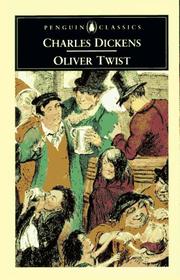
Oliver Twist (Charles Dickens)
Charles Dickens
Oliver Twist

Dickens is forced on schoolkids and thereby puts us off by our very contrariness and obstinacy in liking anything that teachers put in front of us. Or maybe that was just me and my mates. He is a brilliant writer and you can just imagine folk eagerly anticipating the next installment as it was published. The characters are engaging and repulsive by turns and the story has pathos and comedy in shedloads. Although Dickens does rail against the injustices of the age, which strike a chord even now, I'm not sure that today he'd get away with such descriptions of Fagin. The characters are a little tabloides but he was a journalist and he's obviously making a point about why people find the place they're at, how they struggle in life and what they need to do to make ends meet. And of course the inevitable, for the stories purpose, consequences which are not wholly fair on our heroes or villians. The poor and needy are contrasted with those with wealth and status although the former are far more developed as characters and in the plot. Although the London described is mainly gone, at least not as obvious on the surface, the conditions described and lives lived are the same for a great many across the globe. A gripping read and as I read it in the priveleged position of holidaying in an idyllic spot in Mallorca about as far from Dickensian London as you can get, at least within some sort of civilisation, then it was a strange experience to look up from a passage about cold damp crowded London streets full of filth and the destitute to gaze across the fjord like bay and beach from our holiday villa.
Oliver Twist

Dickens is forced on schoolkids and thereby puts us off by our very contrariness and obstinacy in liking anything that teachers put in front of us. Or maybe that was just me and my mates. He is a brilliant writer and you can just imagine folk eagerly anticipating the next installment as it was published. The characters are engaging and repulsive by turns and the story has pathos and comedy in shedloads. Although Dickens does rail against the injustices of the age, which strike a chord even now, I'm not sure that today he'd get away with such descriptions of Fagin. The characters are a little tabloides but he was a journalist and he's obviously making a point about why people find the place they're at, how they struggle in life and what they need to do to make ends meet. And of course the inevitable, for the stories purpose, consequences which are not wholly fair on our heroes or villians. The poor and needy are contrasted with those with wealth and status although the former are far more developed as characters and in the plot. Although the London described is mainly gone, at least not as obvious on the surface, the conditions described and lives lived are the same for a great many across the globe. A gripping read and as I read it in the priveleged position of holidaying in an idyllic spot in Mallorca about as far from Dickensian London as you can get, at least within some sort of civilisation, then it was a strange experience to look up from a passage about cold damp crowded London streets full of filth and the destitute to gaze across the fjord like bay and beach from our holiday villa.
Undisputed Truth (Mike Tyson)
Mike Tyson
Undisputed Truth
Undisputed Truth
One of the most compelling no holds barred autobiographies I've read. Tyson let's us into his deep soul and whilst even in the pits you sort of feel that he's half boasting of what he's doing he obviously sees the bad side too. He never seems to apologise to the people he's wronged but in a way turns his wrongs back on himself wallowing in self pity and excusing his behaviour as to the way that he was brought up. And given his upbrining it's hard not to understand that's why he is the way he is. Not sure many would turn out different. His boxing made him incredibly well read at an early age in his career and the whole book is framed in the wider picture of his place in boxing history. The last part gets a big sugary, despite the language, and you ultimately feel very sorry for him. As he says, no one can read this and feel jealous of him. Except maybe his childhood peers at least those that are still alive. Which isn't many if the book is to be believed. I'm not a boxing fan and knew very little about Tyson except for the ear incident but this is a fascinating read of addiction and chaos. Must find out how the last year or so have treated The Champ.
Friday, October 23, 2015
Of Mice and Men (John Steinbeck)
John Steinbeck
Of Mice and Men

I've not read this before and it's probably been on my list of must reads for longer than anything. Probably since I read the Grapes of Wrath at school. Brilliant characterisations with parallel tracks of hopelessness whether it's people working on farms, itinerant labourers forever hoping to get enough money for land, those who own the farms in their isolation and also the place of blacks in society. The big man personifies these dreams and hopelessness despite physical strength. There are many parallels to be made with the human nature and society here, more than I could write up I'm sure, but at it's basic level this is a beautiful story of two men who are joined at the hip and the care that the one takes of the other. The ending is a bit rough though. I suspect it will be one I'll read again and again like Cannery Row. Now where is my copy of that...
Of Mice and Men

I've not read this before and it's probably been on my list of must reads for longer than anything. Probably since I read the Grapes of Wrath at school. Brilliant characterisations with parallel tracks of hopelessness whether it's people working on farms, itinerant labourers forever hoping to get enough money for land, those who own the farms in their isolation and also the place of blacks in society. The big man personifies these dreams and hopelessness despite physical strength. There are many parallels to be made with the human nature and society here, more than I could write up I'm sure, but at it's basic level this is a beautiful story of two men who are joined at the hip and the care that the one takes of the other. The ending is a bit rough though. I suspect it will be one I'll read again and again like Cannery Row. Now where is my copy of that...
Wednesday, October 07, 2015
News from Nowhere (William Morris)
William Morris
News from Nowhere and Other Writings

After a few interesting tasters we get into the main novel which is basically a view of an anarchist utopia in which we are treated to how it is to live in such a society and how such a society works. There are descriptions of the environment, people and their livelihoods and alongside are mini lessons on how people can live together in utopia. It's Morris' own version of utopia with some digs at things he doesn't like including architecture the houses of parliament coming out particularly badly. He doesn't shy away from the obvious questions such as why would people do hard jobs, what if someone kills someone else, how does produce get to where it's needed and how is it traded, or not in this case. It's very well written to and as a story is quite compelling. There is a love interest, possibly too much, which is ultimately when utopia falls apart but not because of it. I won't spoil the read. My only criticism of Morris' utopian vision is that women still seem to enjoy waiting on men and doing the cleaning. I know that times have changed since this was written but Morris was a pretty enlightened bloke and it's odd that he carries on with gender stereotypes. Well worth reading for the entertainment and to provoke thought.
Whilst this edition has quirky stories before the main meal the afters are a dreary let down. There are lectures which although the content is fascinating they are bloody hard work to get through and although I hate putting a book down without reading from cover to cover I just couldn't get through the essays. For instance the Useful Work versus Useless Toil lecture starts off really well questioning whether someone who does unrelenting and unsatisfying work should be seen as worse if they don't work at all. This resonates with current political thinking which is that if you don't work at anything, however depressing, you are not a worthy member of society and shouldn't be allowed benefits. Great start but gets bogged down in interminable and complex arguments that maybe shows a lack of concentration on my part. At times he seems a bit, well, pompous but maybe that's just the language that was used which after all was getting on for 200 years ago. The Occasional Prose I couldn't face but I did skim through the few Letters. I guess what could I expect from a book with 50 pages of introduction.
News from Nowhere and Other Writings

After a few interesting tasters we get into the main novel which is basically a view of an anarchist utopia in which we are treated to how it is to live in such a society and how such a society works. There are descriptions of the environment, people and their livelihoods and alongside are mini lessons on how people can live together in utopia. It's Morris' own version of utopia with some digs at things he doesn't like including architecture the houses of parliament coming out particularly badly. He doesn't shy away from the obvious questions such as why would people do hard jobs, what if someone kills someone else, how does produce get to where it's needed and how is it traded, or not in this case. It's very well written to and as a story is quite compelling. There is a love interest, possibly too much, which is ultimately when utopia falls apart but not because of it. I won't spoil the read. My only criticism of Morris' utopian vision is that women still seem to enjoy waiting on men and doing the cleaning. I know that times have changed since this was written but Morris was a pretty enlightened bloke and it's odd that he carries on with gender stereotypes. Well worth reading for the entertainment and to provoke thought.
Whilst this edition has quirky stories before the main meal the afters are a dreary let down. There are lectures which although the content is fascinating they are bloody hard work to get through and although I hate putting a book down without reading from cover to cover I just couldn't get through the essays. For instance the Useful Work versus Useless Toil lecture starts off really well questioning whether someone who does unrelenting and unsatisfying work should be seen as worse if they don't work at all. This resonates with current political thinking which is that if you don't work at anything, however depressing, you are not a worthy member of society and shouldn't be allowed benefits. Great start but gets bogged down in interminable and complex arguments that maybe shows a lack of concentration on my part. At times he seems a bit, well, pompous but maybe that's just the language that was used which after all was getting on for 200 years ago. The Occasional Prose I couldn't face but I did skim through the few Letters. I guess what could I expect from a book with 50 pages of introduction.
Monday, October 05, 2015
The Ballad of the Sad Cafe (Carson McCullers)
Carson McCullers
The Ballad of the Sad Cafe

Having loved The Heart is a Lonely Hunter I was really looking forward to reading this. It didn't disappoint. Seems a bit harsher and harder on the characters than The Heart but the main ones are very well developed and believable. Descriptions of people place and weather are brilliant making you feel you know the folk and where they live. The people have the same sort of flaws as Steinbeck describes both naive and chancers picking up what they can out of life. And with a healthy dose of violent undertones. I'm not sure it's quite as good as Cannery Row but it comes close. It's great that the main character is a strong woman although that strength seems to flow from an odd male character who you feel is an analogy. I'm sure someone's written a thesis on it but I like to think that the guy did exist and isn't simply a literary tool to make a point. Anyways it's a great story and the fact that sometimes you have to suspend your belief in the story whilst still empathising with the various characters is testament to how strong and captivating a story teller that Carson is. After all did we believe everything that befell Don Quixote? It's a strange old ending that you sort of know was coming although there's a definite twist in the tail that I won't spoil. Fantastic. There are the added bonus of a number of other short stories in this edition all very much concentrating on a couple of characters building their back stories up letting us know why they're behaving as they are. Great character building that makes you want to read their whole story. The chronology of Carson's life at the back is more than enough material for a story too. Must read more!
The Ballad of the Sad Cafe
Having loved The Heart is a Lonely Hunter I was really looking forward to reading this. It didn't disappoint. Seems a bit harsher and harder on the characters than The Heart but the main ones are very well developed and believable. Descriptions of people place and weather are brilliant making you feel you know the folk and where they live. The people have the same sort of flaws as Steinbeck describes both naive and chancers picking up what they can out of life. And with a healthy dose of violent undertones. I'm not sure it's quite as good as Cannery Row but it comes close. It's great that the main character is a strong woman although that strength seems to flow from an odd male character who you feel is an analogy. I'm sure someone's written a thesis on it but I like to think that the guy did exist and isn't simply a literary tool to make a point. Anyways it's a great story and the fact that sometimes you have to suspend your belief in the story whilst still empathising with the various characters is testament to how strong and captivating a story teller that Carson is. After all did we believe everything that befell Don Quixote? It's a strange old ending that you sort of know was coming although there's a definite twist in the tail that I won't spoil. Fantastic. There are the added bonus of a number of other short stories in this edition all very much concentrating on a couple of characters building their back stories up letting us know why they're behaving as they are. Great character building that makes you want to read their whole story. The chronology of Carson's life at the back is more than enough material for a story too. Must read more!
Sunday, August 16, 2015
Travellers' Tales Brazil: True Stories (ed. Scott Doggett, Annette Haddad)
Travellers' Tales Brazil: True Stories
ed. Scott Doggett, Annette Haddad

ed. Scott Doggett, Annette Haddad
A collection of travellers tales of Brazil interspersed with interesting facts and each ending with a related short paragraph or two by another, often well known, traveller. Stories vary from classic traveller trips up the Amazon and other destinations including a few that I've visited way back when. As these are recent quite a few of the towns have developed and indeed a couple of off the beaten track villages now seem to be on the well beaten track and developed. Very enjoyable and bring back s ome great memories. Other stories relate to Amazon boat trips one being on the main Manaus - Belem cargo / passenger boats plying trade down the river to the Atlantic port. Memories of spending hot days in a hammock swinging out over the Amazon on a crazily crowded deck and being told of by the captain for playing cards. Apparently anything that looks like gambling is banned due to there being nowhere to run to if things get heated. Seems like you can gamble now - these stories are fairly recent and not from the late 80s. Other tales from the riverside are up backwaters and concentrate on rarely visited backwaters and the wildlife piranhas featuring heavily.
Some stories are more personal and focus on the people met and times had both good and not so good usually due to romance, the former, and crime, the latter. Still others are about the architecture of cities ranging from the relatively newly built capital Brasilia with mixed reviews to older colonial towns that are often in decay. And of course the luxury apartments of Rio standing opposite favelas and the skyscrapers of Sao Paulo which I think must have increased a lot since I visited.
The culture and festivities feature heavily of course from cowboys to Bahia dance / martial arts to the madness that is Carneval. This I spent in Rio not in the specifically made avenue for the samba schools but out on the streets in the middle of the city near our fabulously named Love House. Usually the generic name for brothels it was central to down town, rather than out by the beaches, and fairly clean. And cheap which is the main backpackers priority. Some interesting guests too many of whom did indeed use it as the name suggested. And I thought it was just a romantically named hostel.
Overall the book gives a great insight into the soul of Brazil from all aspects and made me want to return for another few months to take in everything once again and a few other experiences that others have written about. As my friend Chris is going out there for a year Debbie bought the book for him as a taster as she'd read it before and thought it the best introduction to Brazil rather than the standard guide books. I couldn't resist reading it and it now looks stylish, well used and slightly past it's best. But with such brilliant content it is a little like Brazil itself. I guess if it were Ipanema or Sao Paulo it would be sparkly new with a sexier or functional cover but as a summary of Brazil it's perfect. Slightly jealous of the times that Chris will have when he's there. Maybe I should check out the flight prices.....
Wednesday, July 08, 2015
Jah Wobble (Memoirs of a Geezer)
Memoirs of a Geezer
Jah Wobble

Jah Wobble
An autobiography by someone who seems to have plowed his own farrow in the music industry and not really spent a lot of energy sucking up to gain extra sales. Great name (you find out how he got it) and someone who started off on the first post Pistols Lydon record Public Image Ltd. which was a seminal and much underrated album. Plus the next Metal Box. Fantastic bass player who went on to form lots of bands and was a player in the world music scene which I wasn't really into as a concept or execution. I guess I was most into Wobble in the late 80s early 90s with his Invaders of the Heart which was bass heavy fairly experimental with lots of global influences including great north African instruments. Slightly jazzy improvisation vibe going on before he went more world music and jazzlike. So back to the book. Very entertaining pulling no punches, at least in parts, and both interesting for the ageing punk and also as a general read. It's not all about the music. Wobble's tales of east End life and how it's changed over the generations is entertaining and informing. He seems a bit full of himself at times with some suspect claims regarding both music and facing down hard men but hey, what do I know, I wasn't there. He also gives us the lowdown on his personal life and whilst he doesn't reveal all especially regarding his kids who can blame him. You get the picture and there's no need to go into too much detail regarding others. Unfortunately at the end he becomes a bit of a bigot apologist getting the punches in first by saying that anyone who disagrees with him is a middle class politically correct bleeding heart. If everyone took his view the British wouldn't have embraced any immigrant groups or cultures. This is especially ironic given he's from Irish stock and has married someone who is hardly classic BNP tecruitment material. Leaves a bad taste in the mouth but overall a good read. Maybe I should read Lydon's autobiography
Saturday, June 20, 2015
Max Leonard (Lanterne Rouge)
Lanterne Rouge: The Last Man in the Tour de France
Max Leonard

Max Leonard
An entertaining run through of the lantern rouges from early days to present. From when it was a disgrace to be avoided to when it was as eagerly fought as first place, nearly, with attendant shenanigans like hiding behind vans to let others pass instead of jumping trains. Being last made you noticed so you'd command more money at other races. I won't go through all the different types described but each chapter has an angle. The overriding message is that although last these riders came last they are still extreme athletes who would leave the average club rider behind after quarter of a mile, sorry, kilometre, and who despite knowing they aren't going to win pull themselves round the entire route including all those mountains for the hell of it. Or more probably because they are paid to pull other team mates around in their role as domestiques. A fascinating read and insight into what makes the mass of le Tour riders click when they have little chance of fame except through the odd stage win or by holding the red lantern on the last day which is always a photo opportunity.
The author adds a personal touch in that he's attempted one of the tours climbs but is defeated in the face of terrible weather and he then re-attempts later. I won't spoil the result for you. And he illegally climbs a mountain next to a railway. Brings a nice touch and also contrasts how even pretty good amateur riders such as him pale next to the horrors endured by the pelaton who cycle thousands of kilometres in a few weeks up and down mountains regardless of injury or weather. Riders don't give up on le tour - le tour drops them either through severe injury or unable to meet the daily cut off time. OK, so a few top riders do stop half way for season long tactical reasons but they could carry on and it's probably on team orders. The rest of the teams carry on regardless. Hard men indeed.
Saturday, June 06, 2015
Peter Gelderloos (Anarchy Works)
Anarchy Works (Examples of Anarchist Ideas in Practice)
Peter Gelderloos

Peter Gelderloos
Well written run through of how anarchy can be a practical state(less) of affairs and a realistic goal for how people can live together and how such societies be sustained and flourish. It is peppered with examples of stateless societies including those that are consciously anarchist, those that are built on non hierarchical community or socialist principles (collective commune-ist) and those that would not recognise themselves as either anarchy or stateless which are often age old societies that have not been brought into the "modern" states within whose boundaries they have traditionally lived. Many of the references are to past societies especially those that have been colonised by invaders and those created within revolutionary times.
It is a logical journey through the realistic utopia of anarchy written by a committed anarchist who has lived within many of the stateless or anti-state communities that are described. And who has agitated for such communities. Firstly the question as to whether humans are naturally cooperative or competitive is tackled arguing that we are not naturally selfish but look to help each. This breaks down when artificial social boundaries are enforced on us, such as hierarchies, that are hijacked by individuals or groups who take advantage of others resulting in society taking the same attitude and descending into the current global capitalist nightmare that makes a few richer and richer and the many poorer and more poverty stricken. All then fight each other to climb the capitalist ladder but of course those at the top are kicking others back down. This is my analogy not the authors whose arguments are far more convincing and comprehensive. The very fact that humans live in some degree of cooperation across the globe, even if cooperating with others to the detriment of other groups, shows that we have a spirit of cooperation within us. So how to use it for the good of everyone rather than just ourselves or for the few.
Having taken the spirit of cooperatism as a given Peter then explains how society can operate without descending into "anarchy" or at least the media's view of anarchy as everyone out for themselves. Obviously this is a very biased view as anarchy is about cooperation and collectivism rather than the neo liberal free market version of statelessness (except where the armed forces are needed to put people down and take over other's resources) which is an obvious sham. Various arguments as to why anarchy won't work in practice are knocked back including how such a society could, and indeed such societies have and do, make decisions, why anyone would work if others would share with us, why we wouldn't exploit the environment (as if it could be any worse than today), and what would stop crime if there are no prisons. There are many answers to these questions and many ways of ensuring that such a society benefits and supports everyone in a free and equal way. That is part of the anarchist view which is not to impose one version of your "truth" on others but for each person and community to find their own way. That is what being stateless is all about - not enforcing rules but encouraging good behaviour. There are times when it may be necessary to exclude people who are not cooperating and some of the examples given end in death which I'm not comfortable with but, again, that is part and parcel of self governance.
The next part of the book deals with how we can create such societies whether by stepping outside existing structures or through civil unrest and revolution. This latter is very likely to be required as any working anarchist society existing within the current world order will attract the attention of existing power structures either to stop the rest of the population looking at it and saying yeah, we don't need hierarchies and the state, or to take over resources held within the targeted communities. It's also a moot point as to whether isolationist communities are anarchist even if left alone as they are not pushing for this to be the new world order. Maybe again, each to their own. The necessity of having a global revolution is emphasised as free and stateless societies living in geographic areas will be targets for non anarchist neighbouring states. This part of the book covers how anarchist communities have had to, and will need to, fight a violent fight where necessary. And necessary it is and will be. Again, I'm less comfortable with the idea that violence is justified and righteous as it's a slippery slope from fighting outside invaders to killing those within your society who don't agree with your opinion. A long slope admittedly. Peter has written other books about how the principle of non violence has been detrimental to the aims of true libertarians, environmentalists and other like minded movements.
A very thought provoking and inspirational book that holds no punches as to how necessary it is for humans to move to anarchist societies, how it is inevitable either through revolution or due to capitalist prompted global societal and environmental breakdowns, and how we need to embrace rather than fight what will be the end game of a global stateless society. As it was in the beginning of human society. Well worth reading whether you view yourself as an anarchist or not.
It is a logical journey through the realistic utopia of anarchy written by a committed anarchist who has lived within many of the stateless or anti-state communities that are described. And who has agitated for such communities. Firstly the question as to whether humans are naturally cooperative or competitive is tackled arguing that we are not naturally selfish but look to help each. This breaks down when artificial social boundaries are enforced on us, such as hierarchies, that are hijacked by individuals or groups who take advantage of others resulting in society taking the same attitude and descending into the current global capitalist nightmare that makes a few richer and richer and the many poorer and more poverty stricken. All then fight each other to climb the capitalist ladder but of course those at the top are kicking others back down. This is my analogy not the authors whose arguments are far more convincing and comprehensive. The very fact that humans live in some degree of cooperation across the globe, even if cooperating with others to the detriment of other groups, shows that we have a spirit of cooperation within us. So how to use it for the good of everyone rather than just ourselves or for the few.
Having taken the spirit of cooperatism as a given Peter then explains how society can operate without descending into "anarchy" or at least the media's view of anarchy as everyone out for themselves. Obviously this is a very biased view as anarchy is about cooperation and collectivism rather than the neo liberal free market version of statelessness (except where the armed forces are needed to put people down and take over other's resources) which is an obvious sham. Various arguments as to why anarchy won't work in practice are knocked back including how such a society could, and indeed such societies have and do, make decisions, why anyone would work if others would share with us, why we wouldn't exploit the environment (as if it could be any worse than today), and what would stop crime if there are no prisons. There are many answers to these questions and many ways of ensuring that such a society benefits and supports everyone in a free and equal way. That is part of the anarchist view which is not to impose one version of your "truth" on others but for each person and community to find their own way. That is what being stateless is all about - not enforcing rules but encouraging good behaviour. There are times when it may be necessary to exclude people who are not cooperating and some of the examples given end in death which I'm not comfortable with but, again, that is part and parcel of self governance.
The next part of the book deals with how we can create such societies whether by stepping outside existing structures or through civil unrest and revolution. This latter is very likely to be required as any working anarchist society existing within the current world order will attract the attention of existing power structures either to stop the rest of the population looking at it and saying yeah, we don't need hierarchies and the state, or to take over resources held within the targeted communities. It's also a moot point as to whether isolationist communities are anarchist even if left alone as they are not pushing for this to be the new world order. Maybe again, each to their own. The necessity of having a global revolution is emphasised as free and stateless societies living in geographic areas will be targets for non anarchist neighbouring states. This part of the book covers how anarchist communities have had to, and will need to, fight a violent fight where necessary. And necessary it is and will be. Again, I'm less comfortable with the idea that violence is justified and righteous as it's a slippery slope from fighting outside invaders to killing those within your society who don't agree with your opinion. A long slope admittedly. Peter has written other books about how the principle of non violence has been detrimental to the aims of true libertarians, environmentalists and other like minded movements.
A very thought provoking and inspirational book that holds no punches as to how necessary it is for humans to move to anarchist societies, how it is inevitable either through revolution or due to capitalist prompted global societal and environmental breakdowns, and how we need to embrace rather than fight what will be the end game of a global stateless society. As it was in the beginning of human society. Well worth reading whether you view yourself as an anarchist or not.
Subscribe to:
Comments (Atom)